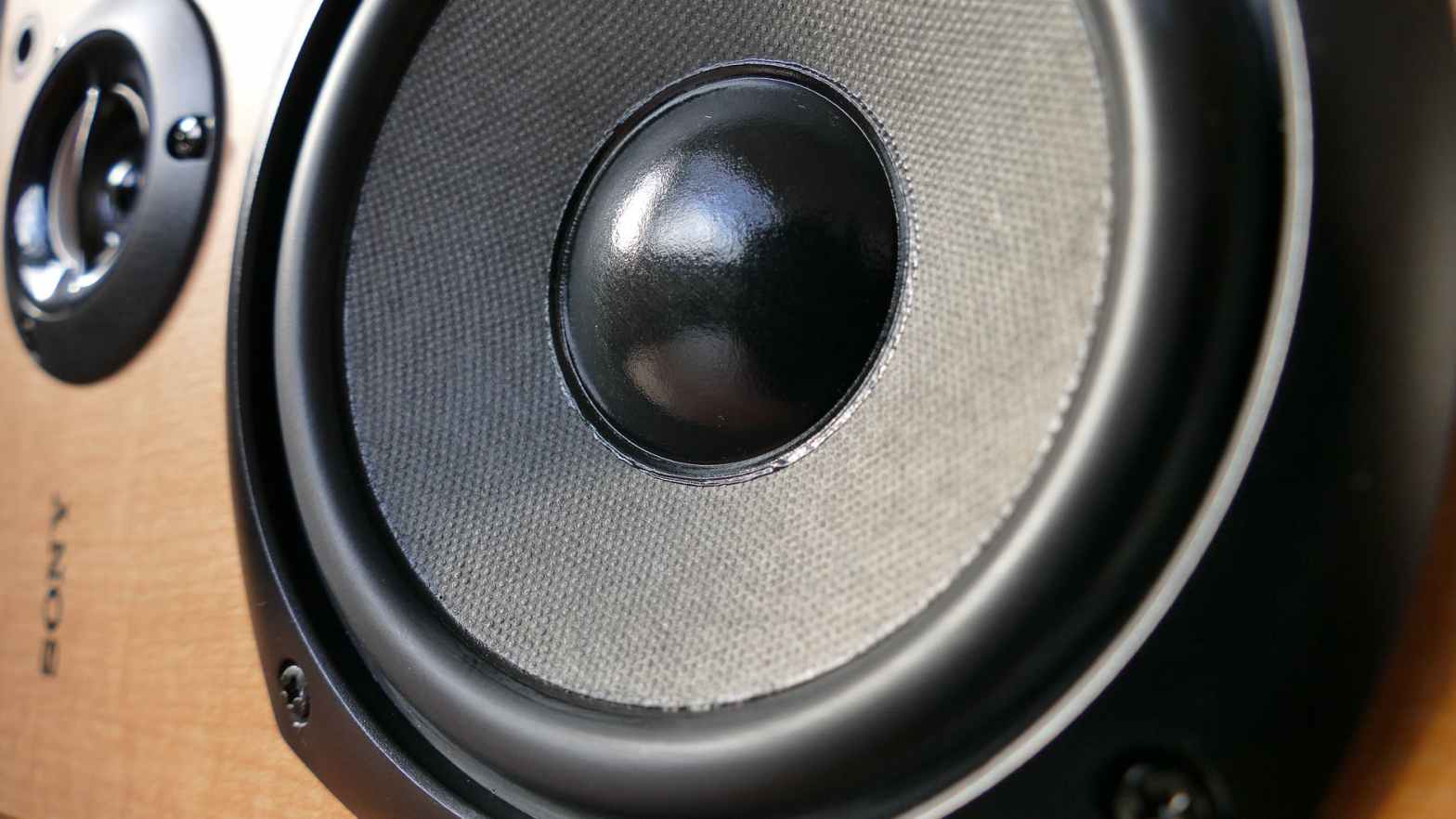
When I was a young twenty-something, my ultra-cool dad gifted me a pair of speakers because he was updating his system. This was back in the days when speakers were not cute little orbs and cylinders that fit in the palm of your hand, but massively heavy, solid wood constructions that could be used for seating in a pinch. I could barely wrestle them into my car to carry them back to Phoenix from Berkeley, but I was determined because they sounded so goooood.
A few years later, when I graduated from Arizona State University’s teacher certification program and got my first teaching job, my department chair handed me the keys to my very own classroom. One of the first things I did was to drag those speakers into that room and hook up a great sound system with a great old used amplifier and CD player. Later I added cables so I the system would play songs from my iTunes account.
Looking back, I can’t say I had a big pedagogical plan for using those speakers. Or any plan really, other than liking to work to music and knowing that teenagers like music too. I knew I would be spending a lot of time at school, and I wanted to have my music to keep me company. And those old-school speakers could handle a big classroom/lab situation – heck, they could probably rock the whole science wing if I cranked them way up!
Over time, though, I started to realize what a great teaching tool that sound system could be. The first thing that occurred to me was that I could help the students get to know me, and start to build a welcoming space, through my playlist. Of course, my music selection was school appropriate, but also eclectic. I gathered a collection including some “oldies” from my high school days, the alternative/folk tunes I now liked, some Scandinavian and some Disney tunes, some of my daughter’s favorite K-Pop hits, and some Arabic and African songs that I heard on NPR’s World Music Café. I tried to surprise my students by sprinkling in some current hits when I could. The best choices were either calming or upbeat, so that I could play music while they worked independently, or more often, in groups on labs and investigations.
As a new teacher devoted to inquiry learning, of course I had some plans to have my students work collaboratively starting with the first day of class. But we didn’t have our classroom community established yet, and when I put the students into groups the room was still awkwardly silent. Not happy with that situation, I decided to play some music softly while they worked. The effect was like magic – immediately my students all started talking with their partners and the atmosphere in the room transformed from stressful to comfortable.
My next insight followed quickly, when I wanted to check in with my students while they were working on their task. Rather than trying to talk over the music, I walked over and turned it off for a moment. Every student stopped what they were doing and looked up to see what happened. More magic: a simple way to gather class attention without saying a word!
After the first week of class, I was a believer in the use of music in the classroom. And over the years that followed, music brought so many moments of connection with my students:
- The times that students suggested new artists or created special CDs for me to enjoy and play in class, based on the music they knew I liked
- The many times we had class sing-a-longs while we worked, when a classic Disney tune or another song everyone knew came up (Journey’s “Don’t Stop Believing” and Neil Diamond’s “Sweet Caroline” were always hits)
- The times I found a couple of my students singing along with Arabic songs I had added to my playlist, then discovered that they spoke Arabic at home. (I asked them to make sure the songs’ subjects were school-appropriate for me!)
- The year I had an exchange student from Africa, and his joy and pride upon hearing a song in his own language
- Students asking to “DJ for the day” and play their own favorites during a lab day
- One year I had a student who absolutely loved the blues and could identify almost any song within seconds. I had fun downloading new tunes to try and stump him but never could.
- The day a tuba player in our school band brought a CD full of tuba classics to share
There were so many times that music was an asset in my science classroom, but it wasn’t always playing. For example, many students needed absolute quiet during assessments, so we never played music during formal assessments. If an activity was especially chaotic in its own right, we didn’t need the added stimulus of music. And the music was always silenced if anyone was addressing the class. But we are fortunate to have many occasions in science class when students are working independently while investigating, constructing, taking measurements, or analyzing, and when used judiciously, music can be a wonderful tool for proactive classroom management and building community.
Interested in hearing more? Here are some ideas from other teachers who have found success using music in their classes:
https://www.scienceinschool.org/article/2007/music/
http://frequencyoflearning.com/john-hopkins-study-integrating-music-in-the-classroom/
https://www.edutopia.org/article/3-ways-use-music-classroom
And here’s an interesting article about using music to reduce stress that may have some relevant tips:
https://www.anxiety.org/music-therapy-stress-reducing-playlist
Wondering about copyright issues? I always used music I had purchased, so I felt like I wasn’t in violation to play it in an educational (not-for-profit) situation. Still, I was happy to read this abut U.S. copyright law: Rob Kasunic, principal legal advisor for the U.S. Copyright Office, cites Section 110, which allows for “performance or display” of copyrighted works “in the course of face-to-face teaching activities of a nonprofit educational institution.” This exemption, for example, makes it permissible for teachers to play prerecorded music in their classrooms as part of the teaching activity. https://nafme.org/my-classroom/copyright/copyright-law-what-music-teachers-need-to-know/
 SciencEdLife